 By Hamza@globalarena.org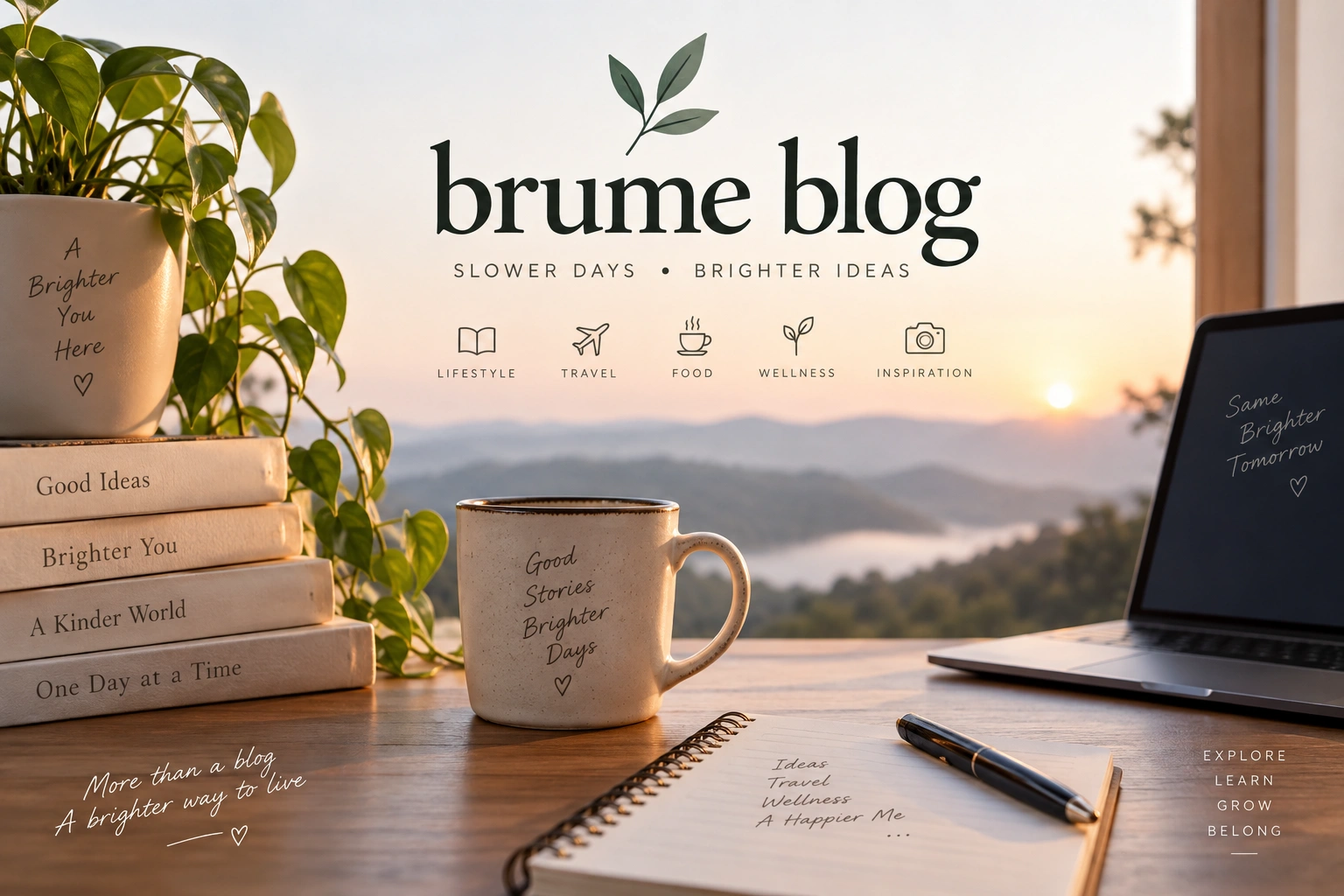
The internet is full of websites that promise useful information, but not every blog serves the same purpose. Some focus on one specialist subject, while others bring together articles about business, technology, lifestyle, education, and everyday questions. Brume Blog belongs to the broader, general-interest side of online publishing.
If you have come across Brume Blog in search results, you may be wondering what the website actually offers, which topics it covers, and whether its articles are useful for your research. This guide explains the site’s content approach, how to navigate a multi-topic blog, and what to check before relying on information you find online.
What Is Brume Blog?
Brume Blog is a general-interest content website that publishes articles across a range of subjects. Its public homepage presents a magazine-style collection of posts rather than a single-topic publication. Readers can explore subjects such as business, education, technology, lifestyle, health, finance, and other areas of general interest.
The website is best understood as a starting point for discovering information. A reader might arrive through a search about a poem, a technology comparison, or a practical business question, then explore related articles through the site’s categories.

That does not mean every article should be treated as expert advice. The usefulness of a post depends on its subject, accuracy, supporting information, and how recently it was updated.
What Topics Does Brume Blog Cover?
The public website includes a broad category structure. This variety allows readers with different interests to find articles in one place, although the depth of coverage may differ from one subject to another.
| Content area | What readers may find | Best way to use it |
|---|---|---|
| Business | Entrepreneurship, workplace topics, and business ideas | Learn concepts and identify questions for further research |
| Technology & AI | Digital tools, software, and technology comparisons | Understand features before checking official product information |
| Education | Learning topics and explanatory articles | Build background knowledge and verify academic details |
| Lifestyle & Home | Everyday living, home-related ideas, and practical topics | Explore ideas and compare available options |
| Health | General health and wellness information | Use for background reading, not personal diagnosis |
| Finance | Financial concepts and related informational content | Confirm important details with authoritative sources |
| Travel | Destination and travel-related topics | Check current requirements, prices, and availability |
| Literature | Explanations and summaries of literary works | Support reading and understanding of the original text |
The table reflects the broad content areas visible on the website, not a promise that every category contains the same number of articles or receives the same level of editorial review.
How Brume Blog Works as a Multi-Topic Website
A multi-topic blog is different from a specialist publication. Instead of building its entire identity around one subject, it organizes content into categories that serve different reader interests.
For example, someone researching a technology question may find an explanation of an AI tool. Another reader may arrive through a literature summary or a workplace-related article. Both can use the same website without needing to follow every category.
This structure can make browsing convenient, but it also creates an important distinction: the website’s overall identity is not the same as the authority of an individual article. A useful technology explanation does not automatically establish expertise in health, law, or finance.
Readers should therefore judge each article on its own merits rather than assuming that every post carries the same level of expertise.
What Makes an Article Worth Reading?
A good informational article should do more than repeat the keyword in its title. It should answer the reader’s main question, explain the important details, and make the next step clear.
When reading Brume Blog or any similar publication, look for a direct introduction that explains the topic without unnecessary background. The headings should follow a logical order, and the article should provide enough context to help you understand the subject.
Useful content also makes its limitations clear. If a topic involves changing information, the article should indicate when the information was published or updated. If it discusses a technical, legal, financial, or medical matter, important claims should be supported by appropriate sources.
A readable article can be a helpful introduction, but readability alone does not prove accuracy. Clear writing and reliable evidence work best together.
How to Navigate Brume Blog Efficiently
The easiest way to use a broad website is to begin with the question you want answered. Instead of browsing every category, choose the section most closely related to your topic.
If you are interested in business, start with business-related posts and look for articles that address a specific problem. For technology, focus on comparisons, explanations, and practical guides. For literature, look for summaries that help you understand a work before returning to the original text.
Once you open an article, check its heading, publication date, and author information where available. Then scan the subheadings to see whether the article covers the details you need.
If the answer is incomplete, use the article as a starting point and continue with more specific sources. This approach saves time and reduces the chance of relying on a general overview for a question that requires specialist information.
Brume Blog vs a Specialist Blog
A general-interest blog and a specialist blog can both be useful, but they serve different needs.
A multi-topic website is convenient when you want introductory information across several subjects. It may help you discover a new concept, understand basic terminology, or find ideas for further reading.
A specialist blog, on the other hand, usually concentrates on one field. That narrower focus can make it easier to find detailed explanations, industry-specific examples, and consistent subject expertise.
Neither model is automatically better. The right choice depends on your question. For a simple overview, a general blog may be enough. For a complex decision, a specialist source or official publication is often more appropriate.
How to Check Whether Information Is Reliable
Before using an article to make a decision, ask a few practical questions. Who wrote it? Is the information current? Does the article explain where important facts came from? Are there links to original sources when the topic requires them?
For technology, official documentation can help confirm product features and availability. For education, official institutions can confirm admission rules or academic requirements. For travel, government and transport websites are better sources for current restrictions and schedules.
Health, legal, and financial topics require additional care because incorrect information can have serious consequences. General blog content should not replace advice from an appropriately qualified professional when your personal circumstances matter.
The goal is not to distrust every blog. It is to understand the difference between learning about a subject and relying on information for an important decision.
Why Publication Dates Matter
A publication date helps readers understand the context of an article, but it does not guarantee that every detail remains current. Some subjects, such as literary analysis or basic definitions, may remain useful for years. Others, such as software features, regulations, prices, and travel requirements, can change quickly.
When reading an older article, consider whether the topic is time-sensitive. If it is, look for an update notice or compare the information with a current primary source.
This is especially important for articles that include words such as “latest,” “current,” or a particular year. A date in the title should match the information actually discussed, rather than simply making an older article appear new.
Who Might Find Brume Blog Useful?
Brume Blog may appeal to readers who enjoy exploring different subjects without visiting a separate website for every question. Students may use general explanations to understand unfamiliar concepts, while professionals may browse business or technology topics for background reading.
Casual readers may prefer lifestyle, home, travel, or literature content. People researching a new subject may also find a broad blog useful for learning the basic vocabulary before moving to more detailed resources.
The key is to match the article to the task. A short explanation can be useful for understanding an idea, while a major purchase, medical concern, legal issue, or financial decision deserves more careful verification.
A Practical Way to Get More Value From the Website
Rather than reading an article and immediately accepting every claim, use a simple research process. First, identify the exact question you want answered. Next, read the relevant article and note the main points. Then, check any important facts against reliable sources.
If the article introduces unfamiliar terms, search those terms separately. If it compares products or services, visit the official providers for current details. If it discusses a historical or literary subject, consult the original material where possible.

This method turns a general blog into a useful research starting point. It also helps you avoid confusing an interesting explanation with a complete answer.
Frequently Asked Questions
Is Brume Blog a single-topic website?
No. The public website covers multiple subjects, including business, technology, education, lifestyle, and other general-interest topics.
Is Brume Blog useful for research?
It can be useful for introductory reading and discovering related ideas. Important facts should still be checked against reliable sources.
Does Brume Blog publish technology content?
Yes. Its public content includes technology and AI-related articles, including explanations and comparisons.
Can I rely on its health or financial articles?
Use them as general background information. Personal medical or financial decisions should be checked with qualified professionals or authoritative sources.
How can I find relevant articles?
Start with the website’s categories and choose the subject closest to your question. Then review the article’s headings and publication date.
Are all websites named Brume Blog the same?
Not necessarily. Similar names and domains exist, so check the exact website address before assuming two publications are connected.
Does a recent publication date guarantee accuracy?
No. A recent date is useful context, but the article’s evidence, accuracy, and relevance still need to be assessed.
Final Thoughts
Brume Blog is best approached as a broad informational website where readers can explore different subjects and find starting points for further learning. Its multi-topic format makes it convenient for general browsing, while individual articles should be evaluated according to their own quality and evidence.
For everyday questions, a clear explanation may be all you need. For important or time-sensitive matters, compare what you read with current authoritative information. That simple habit helps you get more value from Brume Blog—and from any other website you use for research.